Table of contents
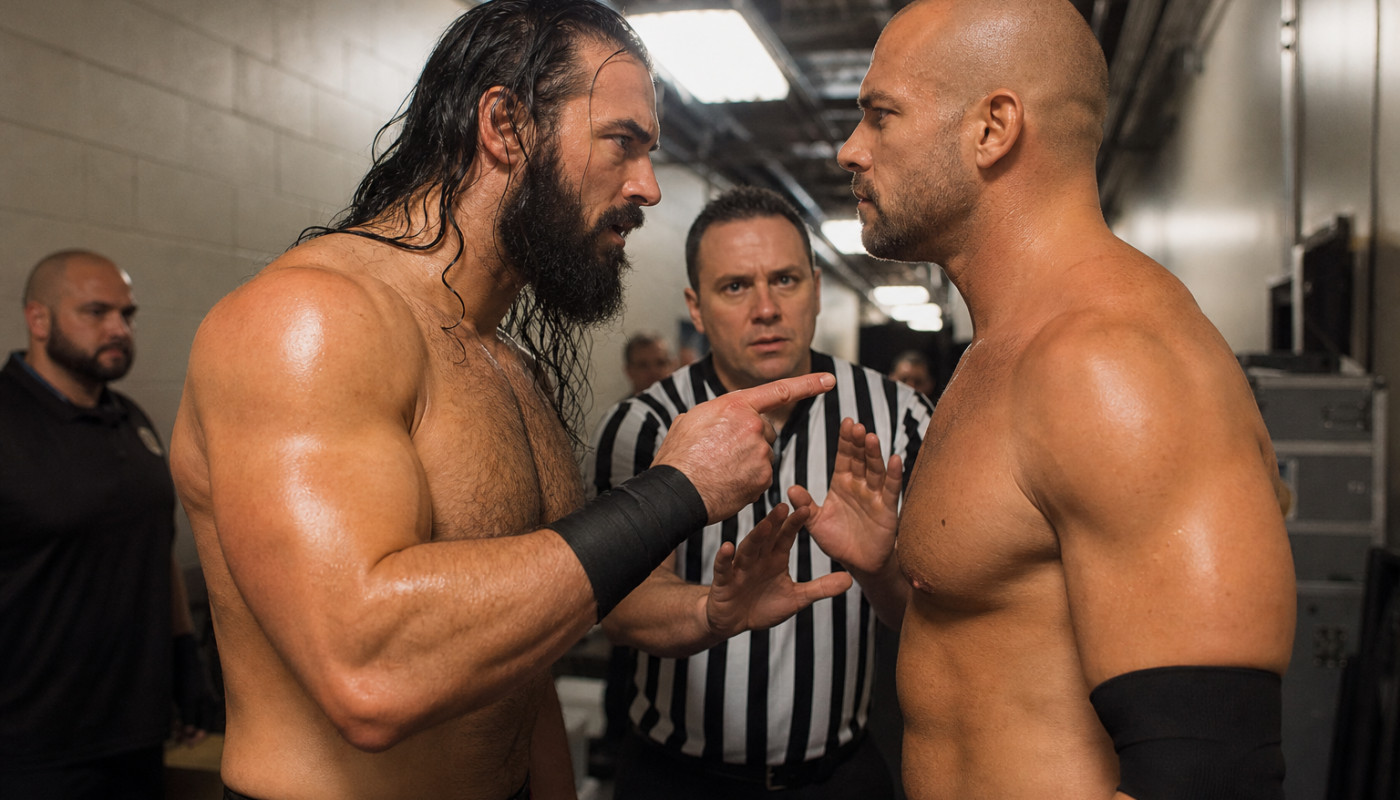
In an era when combat sports content is sliced into viral clips and locker-room leaks, rivalries don’t always end at the bell, and sometimes they barely begin there, because the real friction can build in corridors, on buses, in production meetings, and in the quiet seconds before an entrance theme hits. Fans have long sensed it, yet the mechanics of backstage tension are rarely explained with the same care as a main event. What actually happens when personal history, creative plans, and business stakes collide around a ring?
Heat is real, but often engineered
Is that glare authentic, or part of the job?
In wrestling and boxing-adjacent entertainment, “heat” can mean several things at once, and the difference matters when a rivalry spills beyond the ring. Promoters have always understood that audiences pay for emotion, and not only for athletic excellence, so they cultivate conflict as a narrative engine, sometimes with carefully staged incidents, sometimes by placing combustible personalities into the same orbit and letting human nature do the rest. The modern ecosystem amplifies that approach, because social media rewards ambiguity, and a half-explained clip of a shove at a weigh-in can outperform a dozen technical breakdowns of footwork.
But manufactured tension is only one layer. Backstage, performers and teams live inside a constant churn of variables: travel, physical wear, uncertain booking decisions, sponsorship obligations, and the relentless pressure to stay relevant in a crowded marketplace. Even when two competitors are professionals, small slights stack up, a line in a promo that felt too personal, a stiff strike thrown “by accident,” a perceived attempt to outshine someone during a segment, or a rumor that one side tried to politic for a better spot on the card. That is how a storyline can tilt into something harder to control, and why veterans often stress that the best workers can separate business from ego, while the worst workers weaponize every ambiguity.
Industry language also muddies the water. Fans read “shoot,” “work,” “receipt,” or “stiff” and assume they know what happened, yet those terms carry specific meanings that shift depending on context, and misreading them can turn a minor misunderstanding into an online firestorm. For casual viewers trying to decode reports without getting lost in jargon, a plain-language guide like Fightful wrestling can help clarify what people mean when they describe an angle as a work, a moment as a shoot, or a strike as stiff, and that clarity is not trivial, because it shapes how audiences interpret the motives behind a confrontation.
When rivalries cross the ring, then, the first question is not “is it real,” but “which parts are real, and who benefits.” A promoter benefits when fans debate authenticity; a performer benefits when their character feels urgent; a company benefits when a hot feud sells tickets, pay-per-views, or a premium live event. The risk is obvious: if tension becomes personal, it can corrode locker-room trust, and trust is what keeps dangerous work safe.
The locker room runs on fragile trust
One mistake can change everything.
Backstage conflict is rarely about a single incident, and more often about confidence, because in ring sports and scripted combat, everyone is taking calculated risks with their body. In boxing, the bargain is straightforward: you are trying to hurt the other person within a strict rule set, and both corners understand the terms. In pro wrestling, the bargain is more complicated: performers cooperate to create the illusion of conflict, and that cooperation depends on timing, communication, and a shared commitment to protecting one another. When tension creeps in, the fear is not only about losing a match or a storyline, it is about losing the assurance that your opponent will do their part to keep you safe.
This is why accusations of being “unsafe” carry such weight. A wrestler perceived as reckless, or as someone who throws strikes too hard to “get their stuff in,” can become a lightning rod, and if there is already personal friction, normal mistakes get interpreted as intentional. A mistimed landing becomes a “receipt,” a hard forearm becomes a message, and suddenly the match is not simply a performance but a negotiation happening at full speed. That is the moment where producers, agents, referees, and veteran voices matter, because they can pull people apart, recalibrate the plan, and reassert standards before the problem escalates.
Companies have developed internal tools to manage this. Quiet sit-downs with talent relations, “clearing the air” meetings, fines for unprofessional behavior, and in some cases suspensions, all exist because the product collapses if performers do not trust each other. Even where pay structures differ, the incentives line up: a chaotic locker room drives away reliable workers, increases injury risk, and poisons long-term storytelling. On top of that, wrestling promotions are now more transparent than at any point in history, not because they want to be, but because phones are everywhere, and because a single leaked detail can shape the narrative before management has a chance to respond.
That transparency also changes how rivalries are handled. A decade ago, a confrontation might have stayed inside a building; today it can become a trending topic within minutes, and the public reaction can harden positions. If one party feels they were embarrassed, they may demand a public apology; if management feels undermined, they may make an example. Either way, the locker room watches, and performers draw lessons about what is tolerated, what is rewarded, and what will get you sent home.
Promos, pay, and pride fuel clashes
It’s not just about punches.
Backstage tension often begins where fans least expect it: not in a brawl, but in a negotiation. Who speaks more in a promo segment, who gets the last line, who looks strong in a contract signing, who scores the decisive fall, who gets protected in a loss, and who takes the pin, these are not cosmetic details, they are currency. In boxing, similar disputes play out through purse splits, rematch clauses, glove brand visibility, ring-walk music, and which corner you get, and they can become personal when one side believes they are being disrespected.
Money is the obvious accelerant, yet pride can be even more volatile. Wrestlers and fighters build identities around toughness, legitimacy, and the respect of peers. When someone feels their credibility is being undermined, perhaps by a scripted line that blurs into real-life insult, or by a spot that makes them look foolish, they may respond in ways that are hard to contain. Veteran performers often talk about “protecting your character,” but in practical terms it can mean protecting your earning power, because perception drives future bookings, merchandise, and leverage at the negotiating table.
There is also the structural problem of creative uncertainty. In major promotions, plans can change hours before showtime, sometimes because of injuries, sometimes because of late executive decisions, sometimes because of a broader shift in business priorities. That volatility breeds paranoia. If you thought you were being built toward a title program and suddenly you are moved into a filler match, you may look for a culprit, and in a high-ego environment, the easiest culprit is often the person who replaced you. Rivalries can harden there, not because the replacement did anything wrong, but because they became the face of a decision made elsewhere.
Finally, there is the question of media and leaks. Reporters and well-sourced insiders can illuminate real disputes, yet partial information can inflame tensions too, especially when anonymous briefings paint one person as difficult, or when a story about “backstage morale” gets interpreted as an attack. In an industry where reputation travels fast, a rumor can alter how other wrestlers treat you, how promoters see you, and whether agents trust you with high-risk sequences. That feedback loop makes some rivalries self-sustaining, even when the initial spark was small.
When it spills over, damage gets measured
So who pays the price?
The consequences of backstage tension are not evenly distributed, and that is where the “true tales” become revealing. A top draw may have more room to be volatile, because the business case for keeping them active is stronger, while a mid-card talent may find the same behavior treated as expendable. That imbalance can breed resentment on its own, especially in locker rooms where peers believe standards are applied selectively. In boxing, a champion with leverage can dictate terms; in wrestling, a proven ratings mover can shape creative, and both realities can create friction with those who feel they are carrying the workload without receiving the same consideration.
When tensions become physical, promotions typically move fast, because physical altercations threaten legal exposure, insurance costs, and the stability of future events. Suspensions, releases, and “cooling off” periods are the formal tools, yet informal consequences can be just as significant. A performer might not be punished publicly, but may quietly lose trust, opportunities, or favorable match placements. Agents might stop pairing them with certain opponents, producers might simplify their matches, and writers might keep them away from complex storylines that require deep collaboration.
Fans also shape outcomes, sometimes in unpredictable ways. If the audience loves the chaos, management may be tempted to fold real tension into a storyline, but that choice is a gamble, because it can reward bad behavior, and it can normalize unsafe working conditions. If the audience turns, sponsors may get nervous, and venues may ask questions about security. Even when the company makes money in the short term, the long-term cost can surface later in the form of injuries, departures, or a locker-room culture that pushes away disciplined professionals.
The most telling detail in many backstage conflicts is not the fight itself, but what happens afterward: do people apologize, do they communicate clearly, do they agree on boundaries, and do they put systems in place so the same issue does not recur. In mature environments, rivalries can be intense on camera and calm off it. In fragile environments, a small dispute becomes a test of power, and once it becomes that, it rarely stays contained to one program, one show, or one year.
What viewers can do before buying tickets
Before booking a show, check the promotion’s card, refund policy, and venue rules, then set a realistic budget for tickets, transport, and merchandise, and if you are traveling, reserve early because major fight weekends and premium live events spike hotel prices fast. In some cities, discounted transit passes and youth rates can reduce costs, and fans with disabilities should request accessible seating in advance.
Similar